Steps to Identifying the Suitable General Contractor for Your Next Home Project
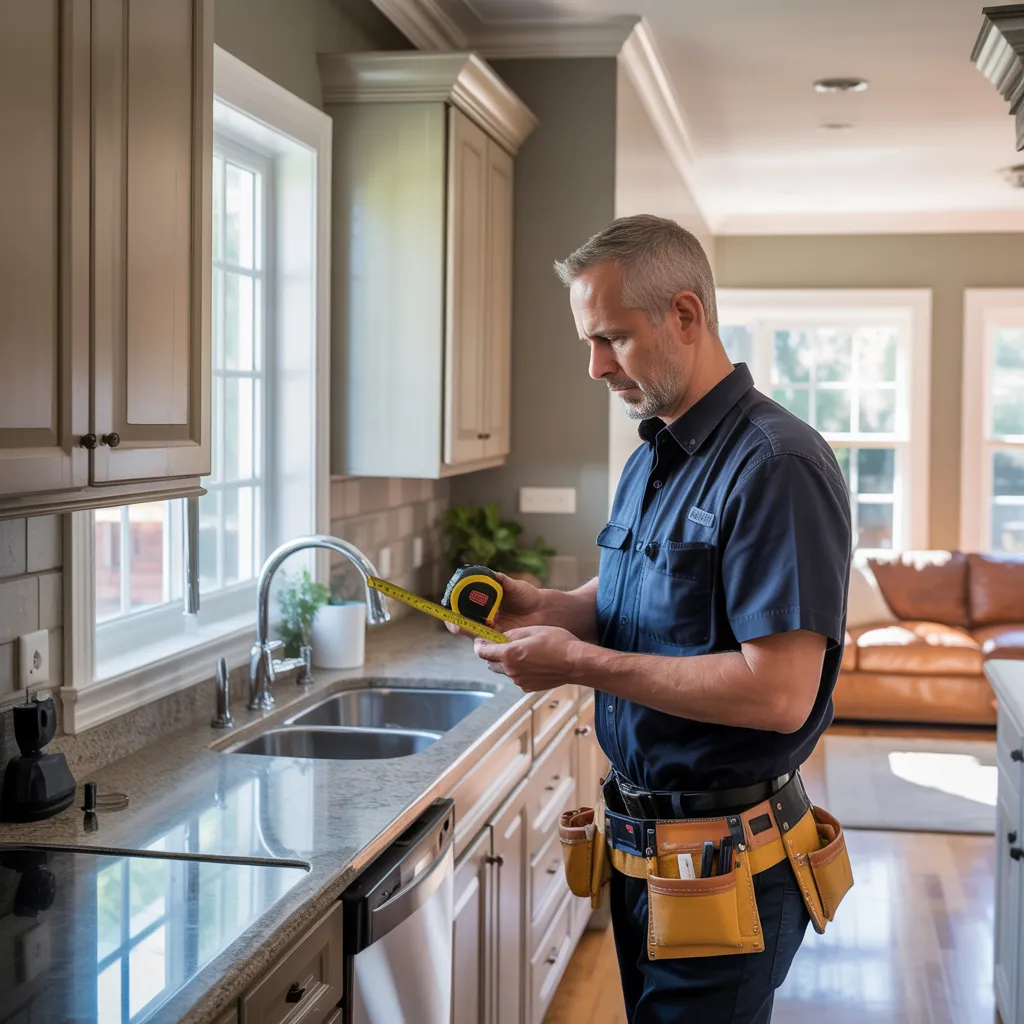
Picking the ideal building specialist for your home project is an important decision. It calls for careful assessment of different factors, comprising track record, qualifications, and people skills. Plenty of homeowners disregard critical factors, creating expensive problems. Learning how to examine prospective builders can prove invaluable. Through prioritizing fundamental benchmarks and seeking proper responses, you can work through this complicated endeavor with greater ease. What are the vital procedures to assure a strong partnership?
How to Prevent Standard Traps When Selecting a Contractor
When choosing a professional, how can one manage the numerous of options without falling into common traps? Prospective clients commonly miss vital aspects that can result in negative consequences. First, depending just on price can be confusing; the lowest price may signify subpar quality or concealed expenses. Additionally, neglecting to check references or online reviews can cause selection of a bad builder. It is also crucial to avoid deciding solely on likability; a charming professional may not possess the necessary skills or reliability. Moreover, overlooking clear communication and requirements can cause confusion and disappointment. Finally, not reviewing contracts thoroughly before signing can bring about unanticipated duties or weak protections. By being watchful and educated, homeowners can make more confident decisions, in the end creating a triumphant project.
Guide to Understanding a Contractor's Experience
When assessing a contractor experience, multiple vital factors are important. Relevant project experience, sector certifications, and an extensive assortment of completed work signal key benchmarks of their capabilities. Examining these components can furnish important understanding into the contractor compatibility for the specific project at hand.
Pertinent Project History
Grasping a contractor's relevant background is essential for achieving the accomplishment of any building venture. Prospective clients should review the contractor's portfolio, focusing on completed projects equivalent in size and style to theirs. This requires analyzing the quality of workmanship, observance to timelines, and budget management in prior assignments. Additionally, it is useful to inquire about the types of products utilized and the contractor's understanding with local building codes and requirements. Feedback and recommendations from previous clients can provide insights into the contractor's trustworthiness and soft skills. At the end of the day, a contractor with significant relevant experience can manage problems effectively, guaranteeing the project fulfills the homeowner's wishes and standards.
Industry Credentials And Licenses
Certification and permit requirements function as critical markers of a contractor's professionalism and expertise in the construction industry. When selecting a general contractor, it is vital to confirm that they possess the necessary licenses required by local and state regulations. These licenses demonstrate compliance with building codes and safety standards. Additionally, industry certifications, such as those from the National Association of Home Builders or similar organizations, indicate a contractor's dedication to quality and ongoing education. Contractors with specialized certifications may also have skills in specific areas, such as green building or remodeling. Verifying that a contractor has the appropriate credentials not just improves confidence in their capabilities but also reduces potential legal and financial risks during the project.
Portfolio Of Accomplished Work
A builder's portfolio containing executed work functions as an key asset for judging their experience and competencies. This set ought to display a range of projects, demonstrating versatility in multiple styles and complexities. When reviewing a portfolio, potential clients should seek high-quality images that distinctly illustrate the craftsmanship involved. It is also helpful to find projects that align with the homeowner's unique preferences or aesthetic preferences. Attention to detail, ingenious solutions, and sticking to timelines are important signs of a contractor’s expertise. Additionally, client reviews or case studies featured in the portfolio can offer greater understanding of the contractor's work ethic and dependability. Ultimately, a robust portfolio can help homeowners make educated decisions about their upcoming projects.
Steps to check Your Contractor Qualifications and Licenses
Before engaging a general contractor, it is vital to confirm their qualifications and certifications to validate they fulfill industry standards. Commence by reviewing with local licensing boards to ensure that the contractor possesses the required permits for your area and project type. Each state has its own standards, so familiarizing yourself with them can prevent future problems.
Moreover, investigate insurance coverage, encompassing liability and workers' compensation, to guarantee safeguarding against potential accidents or damages. Obtain references from previous clients and follow up to assess satisfaction and reliability.
Finally, examine any credentials the contractor may have, as these often indicate specialized training and compliance with industry best practices. A comprehensive review process not only guarantees compliance but also establishes trust in the contractor's ability to finish the project successfully.
Why Effective Communication Matters in Your Independent Contractor Connection
Dialogue that is effective functions as a cornerstone in the contractor-client relationship, shaping the project's achievement from the start. Clear conversation defines expectations, timelines, and budgets, making certain both parties are aligned on the project's goals. When clients convey their vision effectively, contractors can offer informed recommendations and solutions, enhancing the overall result.
Regular communications and transparent lines of communication allow speedy resolution of issues as they emerge, reducing potential setbacks. Moreover, a contractor who heeds and replies to customer suggestions establishes trust, which is essential for collaboration.
Additionally, strong dialogue aids in handling changes and unexpected challenges, keeping the initiative on schedule. It permits the builder to modify methods based on client suggestions, ensuring approval throughout the process. In the end, prioritizing engagement not only solidifies the builder-customer bond but also substantially supports the timely finishing of the home construction.
Important Topics to Address with Your Contractor during Initial Meetings
When meeting early on with a contractor, clients should understand their credentials. It's essential to discuss the project timeline and budget to confirm alignment with the client's needs. These questions form a foundation for a successful partnership and smooth project management.
Background and Qualifications
Picking a general contractor is based on understanding their experience and expertise. Homeowners should raise inquiries about the contractor's years in the industry and the categories of work they have completed. Essential questions about licenses, certifications, and insurance are imperative, as these guarantee observance of local rules and ensure safety throughout the process. Moreover, checking previous projects through portfolios or endorsements can offer insight into the contractor's craftsmanship and reliability. It is also beneficial to inquire regarding their expertise with similar projects, as this can indicate their capability to handle specific challenges. Ultimately, reviewing a contractor's expertise and background fosters confidence and helps homeowners make informed decisions about their home projects.
Project Schedule and Cost
How can homeowners ensure their undertaking stays on budget track and temporally when meeting with a general contractor? To maintain alignment, they should pose important questions during initial meetings. Homeowners must ask about the estimated timeline for completion of the work and any potential delays that could arise. Understanding the contractor's approach to managing schedules is essential. Additionally, discussing the finances upfront is important; homeowners should seek clarity on pricing estimates, payment plans, and any built-in contingency funds for unexpected costs. Inquiring into previous projects can provide insight into the contractor's dependability in hitting timelines and maintaining budget constraints. By creating open dialogue regarding schedules and budgets, homeowners can foster a productive relationship with their contractor, enhancing the probability of a successful project.
What steps should one pursue to assure a general contractor is reliable? First, it is essential to seek a list of references from potential contractors. A distinguished contractor will happily provide names and contact information of previous clients. One should call these references to explore their experiences, focusing on aspects such as messaging, work standards, and deadline adherence.
Moreover, perusing online assessments on platforms like Google, Yelp, or Angie's List can furnish important understanding. It is critical to examine consistencies in the reviews—persistent praise or criticism can point to reliability or warning signs.
Moreover, looking for any complaints filed with local licensing boards or consumer protection agencies can expose a contractor's history. Finally, requesting recent project photos can help evaluate the quality of their services. By implementing these steps, one can formulate a more educated selection when choosing a general contractor.
Learning About Freelance Professional Price Points and Payment Terms
Homeowners should also become familiar with common payment terms. Most contractors require a deposit upfront, accompanied by progress payments connected to project milestones. It's important to discuss these terms before committing to an agreement to avoid misunderstandings. Additionally, homeowners should question potential additional costs, such as permits or surprise repairs. Direct communication regarding pricing and payment terms will establish a straightforward business partnership, ultimately generating a successful completion. Understanding these aspects gives homeowners the ability to decide wisely when selecting a general contractor.
Often Posed Questions
What represents the duration for finishing this project?
The project duration often fluctuates according to complexity and scope. As a rule, completion might take several weeks to months. Weather conditions, availability of materials, and labor availability can greatly impact when the work completes.
What Occurs if Unanticipated Issues Occur During Building?
If unexpected issues arise during building, the contractor typically evaluates the situation, discusses with the homeowner, and proposes remedies. Modifications to the schedule and budget may be required, ensuring access resource openness throughout the process.
Does My Project Require Permits or Inspections?
Most projects require permits along with inspections to ensure compliance with local building codes. It is crucial to work with a general contractor who understands these requirements, as they can navigate the permitting process effectively.
What Is Your Approach to Handling Subcontractors and Payment Distribution?
A trustworthy general contractor oversees subcontractors by creating explicit agreements specifying compensation schedules. They guarantee timely payments, maintain open communication, and monitor subcontractor performance, promoting a collaborative environment that aids in project success and productivity.
How Do You Manage Project Changes or Upgrades?
A flexible approach to alterations in scope is maintained by the contractor, insisting on written documentation for any enhancements. They promise open dialogue, assess budget impacts, and adjust deadlines as needed to accommodate the customer's shifting demands and preferences.